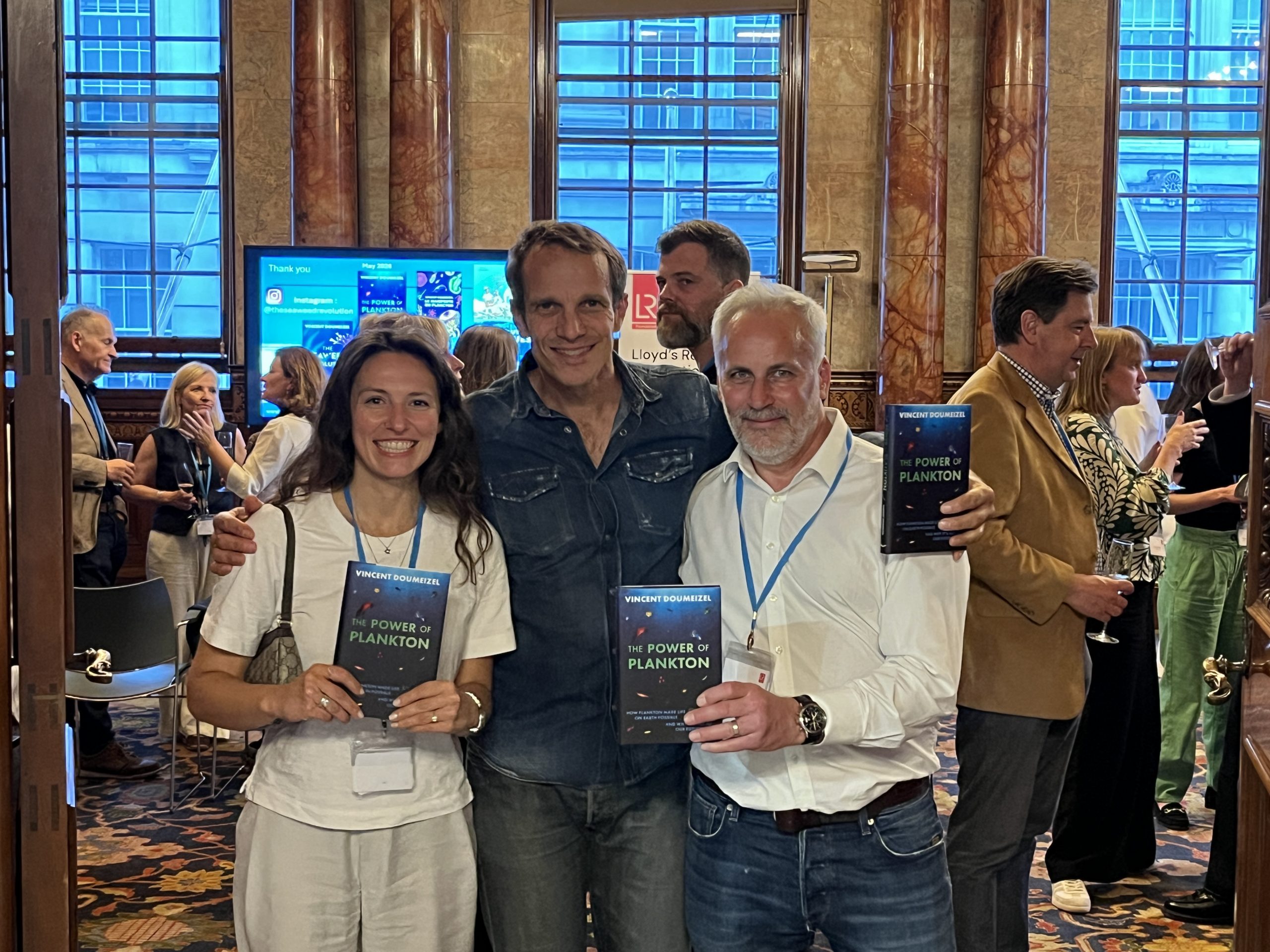
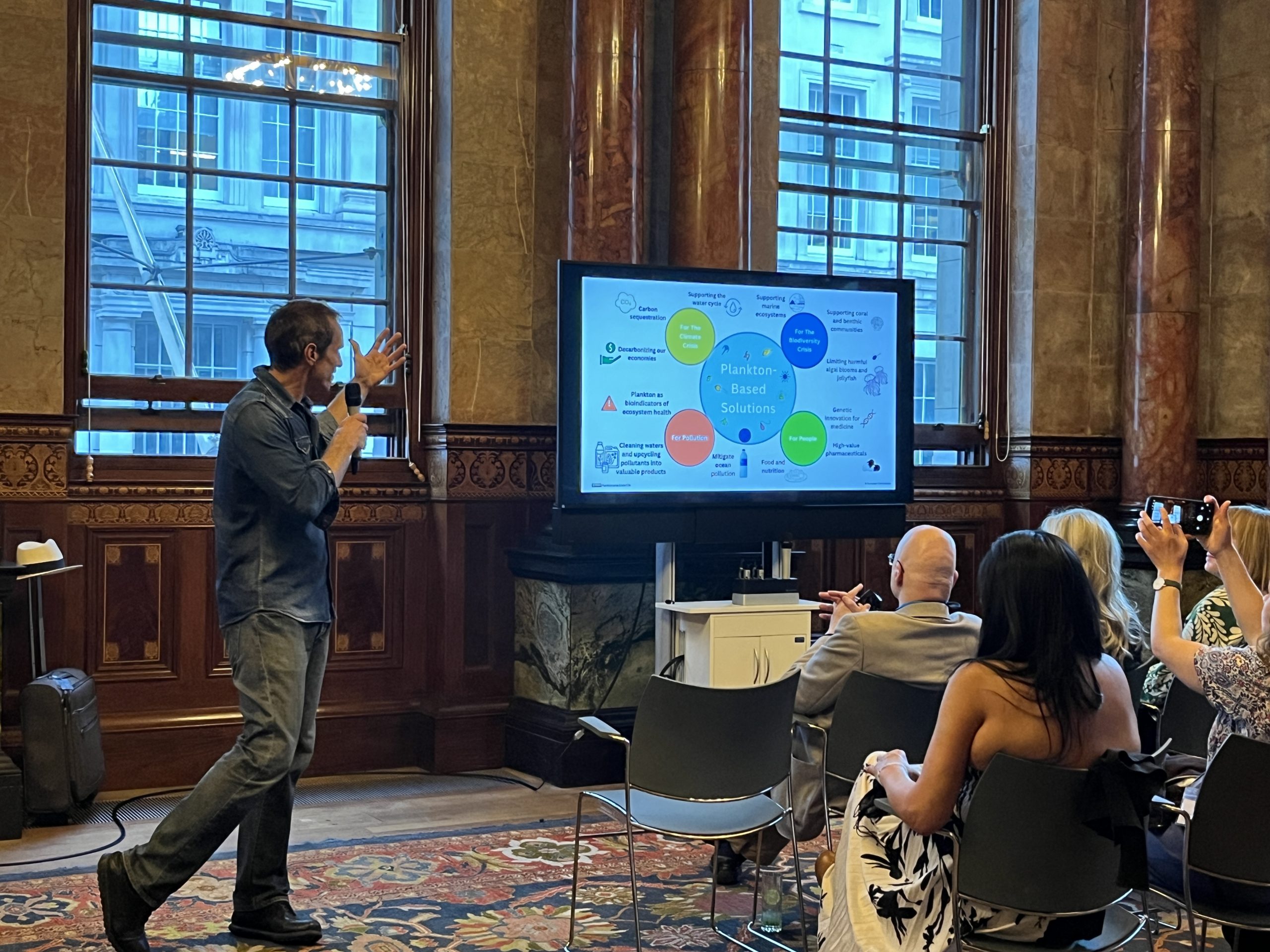
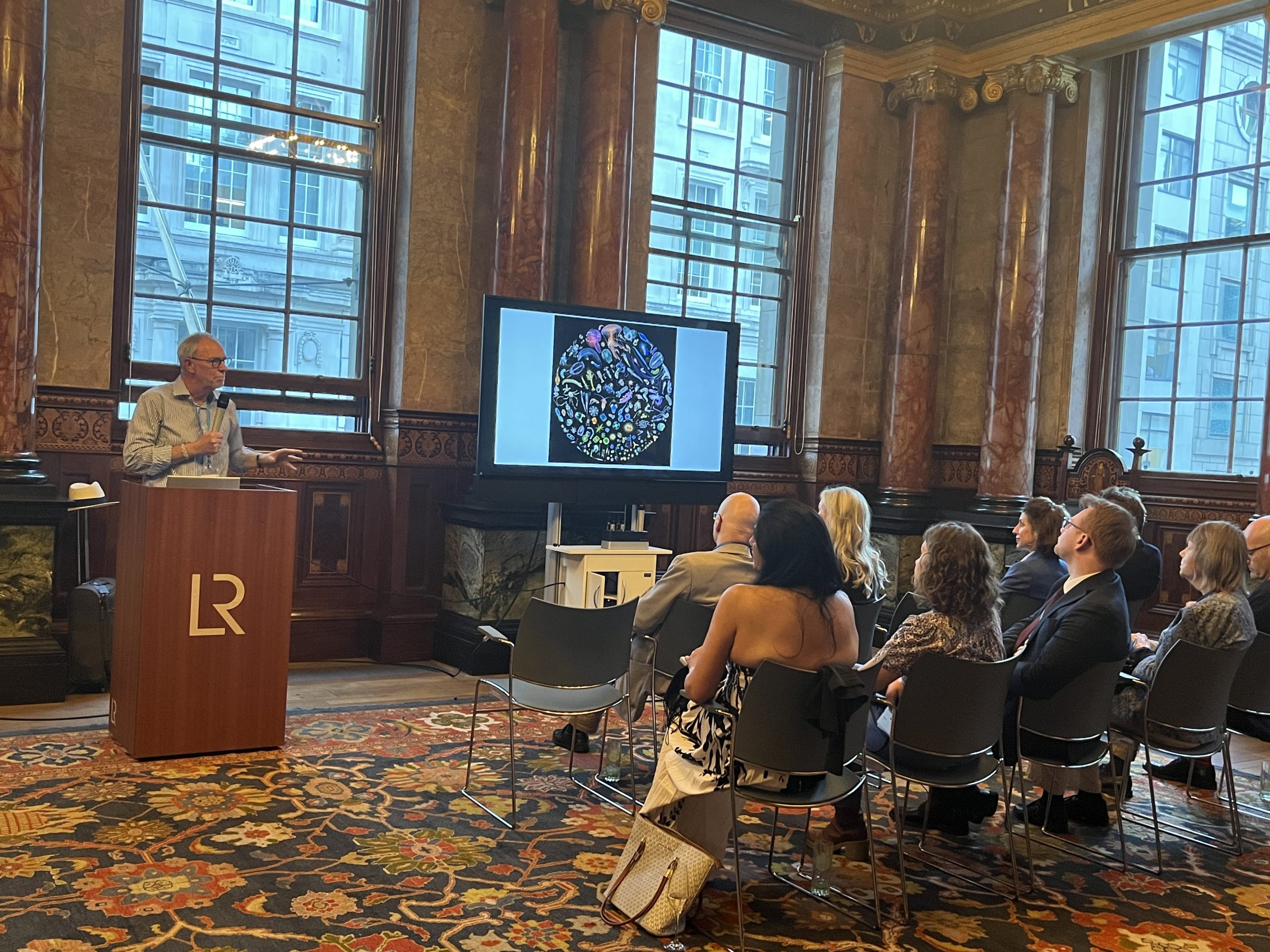
The evening carried a simple but powerful message: hope and plankton.
While often invisible to the naked eye, plankton are among the most important organisms on Earth. They make up approximately 90% of ocean biomass and play a critical role in sustaining life on our planet. These microscopic organisms produce much of the oxygen we breathe, regulate the climate through carbon capture, support marine food webs, and even contribute to the formation of rocks and coastlines.
What is perhaps even more remarkable is how much we are still learning about them.
Between 2009 and 2013, the Tara Ocean Foundation undertook a groundbreaking global expedition to study plankton and marine microorganisms. Sailing across the world’s oceans, researchers collected and analysed nearly 35,000 samples of viruses, algae, and plankton in what became the largest genetic sequencing effort ever conducted on marine organisms. The expedition revealed an extraordinary diversity of previously unknown microbial genes and transformed our understanding of ocean ecosystems.
Today, that research continues to shape both ocean science and international policy discussions.
One particularly innovative concept emerging from this work is the identification of Key Ocean Planktonic Areas (KOPAs), dynamic hotspots of microscopic biodiversity and ecological activity. Because plankton drift with currents and vary seasonally, KOPAs challenge traditional static approaches to marine conservation and instead offer a framework for adaptive, mobile Marine Protected Areas capable of safeguarding critical ecological regions.
This conversation is especially relevant as Blue Pangolin Consulting continues supporting work on area-based management tools in Areas Beyond National Jurisdiction (ABNJ). In these discussions, the protection of plankton ecosystems and KOPAs is likely to become increasingly important in global efforts to safeguard marine biodiversity and strengthen ocean governance.
The event was a timely reminder that the future of ocean protection may depend not only on what we can see, but also on the microscopic life drifting beneath the surface.